Are AI Detection Tools Reliable for Students and Employers?
TABLE OF CONTENTS
What Are AI Detection Tools?
Why Schools and Employers Use AI Detectors
How AI Detection Tools Analyze Content
Major Limitations of AI Detection Technology
False Positives: Human Writing Flagged as AI
False Negatives: AI content that goes undetected
Best Practices for using AI Detectors fairly
Effective Alternatives to AI Detection Tools
The Future of AI Detection Technology
Conclusion
FAQs
Get an AI summary of this post on:





Now, ChatGPT and other comparable AI writing assistants have turned out to be a new challenge in the education and business fields. Teachers, in fact, already perceived different characteristics in student papers, while recruiters were indeed in doubt if applicants were the ones who actually wrote their own cover letters.
These developments took just a couple of months after these instruments had become generally accessible, already causing havoc in academia and the professional world.
In this blog, we’ll discuss how AI detection tools have become so popular for detecting content and how students and professionals use this tool in a very effective manner.
What Are AI Detection Tools?
AI detection tools are basically detection tools that analyze the content and tell whether it was written by a human or an AI. The most common detectors are Bypass AI, GPTZero, Originality.AI, and AssignmentGPT.
These applications check the given text and give a percentage score that shows the probability of AI-generated content being the basis.
The majority of these programs are based on the detection of certain patterns that are characteristic of AI writing. In the end, the software produces a report that indicates the doubtful parts and gives an overall trustworthiness score.
Why Schools and Employers Use AI Detectors
Some of these tools by educational institutions can be attributed to teachers' concerns regarding academic integrity. Learning might become questionable if students can have AI do their essays in seconds.
Teachers are eager to take steps to ensure that the students are not only submitting AI-generated papers as their own but are actually acquiring the critical thinking and writing skills that they need.
Employers are also apprehensive in the same way while hiring. The two groups see AI detectors as a means to ensure fairness and minimum requirements. They are convinced that such tools can prevent cheating or misrepresentation from escalating into a larger problem.
How AI Detection Tools Analyze Content
AI tools to detect AI depend on many different ways to tell apart text produced by a machine. One of the main methods is the analysis of the concepts of "perplexity" and "burstiness." Perplexity is a measure of the predictability of the text. AI usually chooses the more common and expected words and expressions.
These instruments also do the matching of the texts with the patterns that have been built based on the data from the thousands of AI-generated samples.
The signs that they look for are characteristics like being too formal, repeating structures, and the absence of personal voice or real mistakes that humans make, and hence, are naturally made.
The software grants a score in percentage to the user and often points out the precise parts of the text that caused AI detection.
Major Limitations of AI Detection Technology
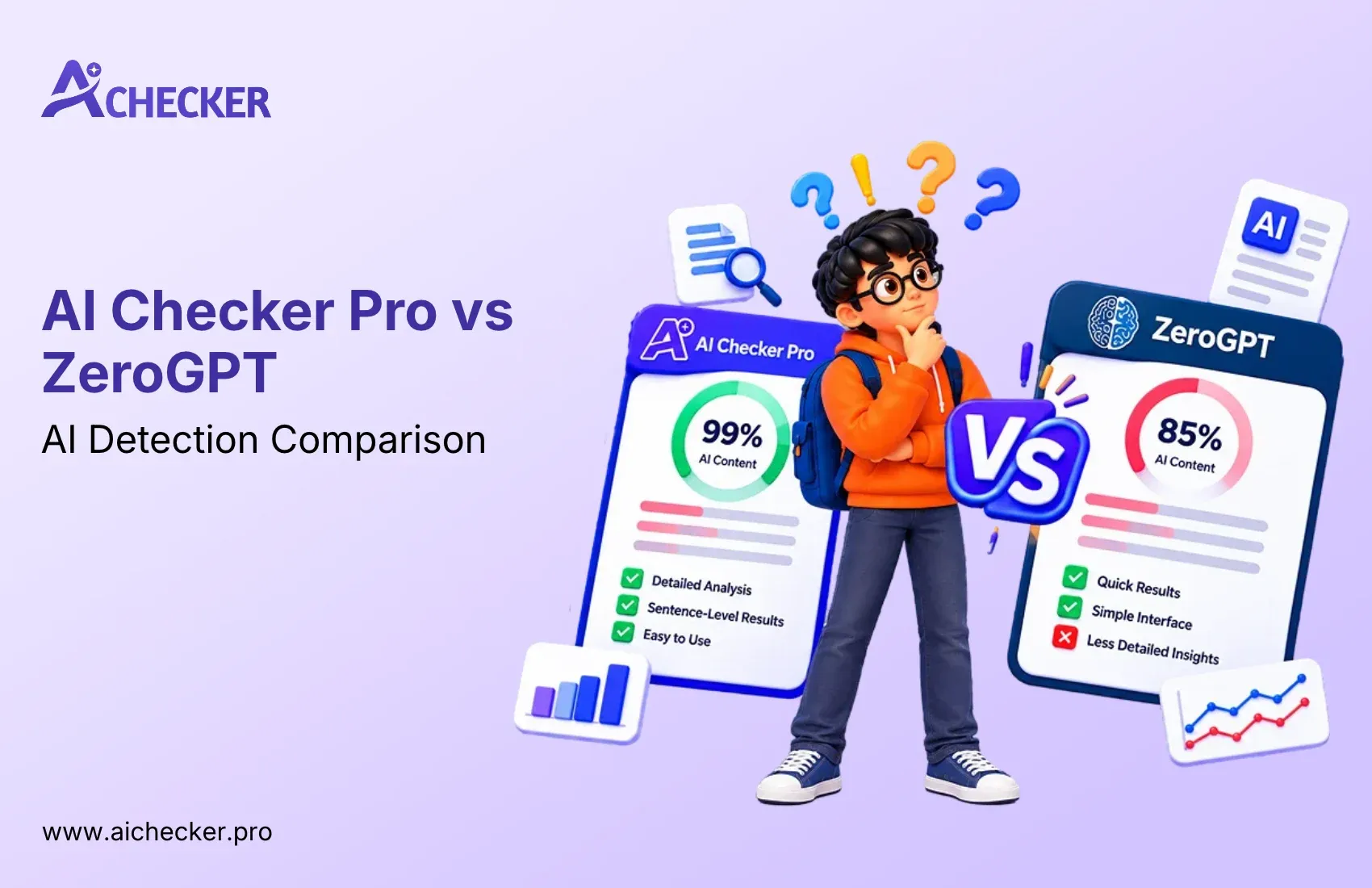
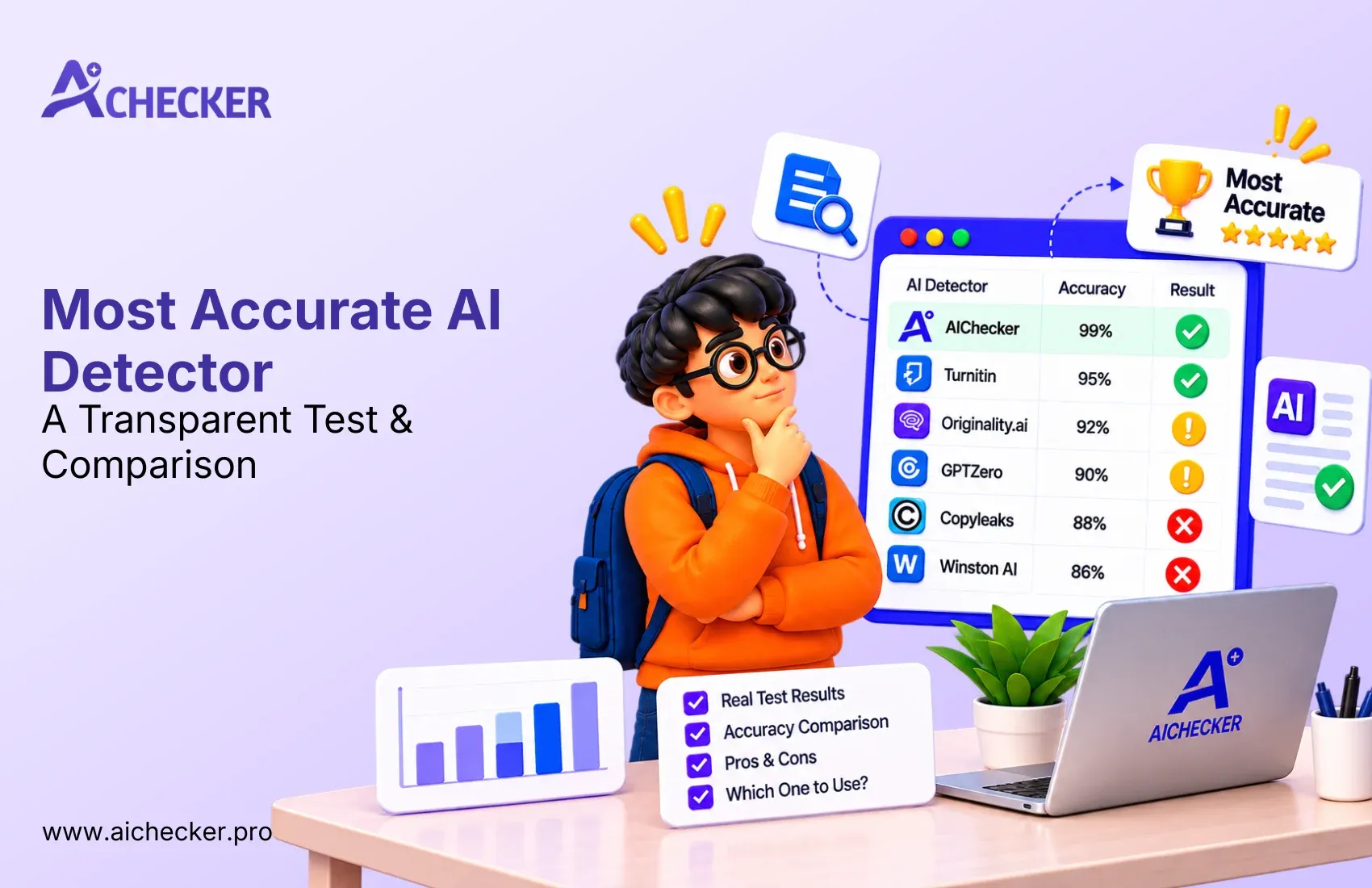
The research has indicated that the performance of these tools is severely compromised by the occurrence of both false positives and false negatives at alarming rates. Tools like Winston AI and others in the market have shown varying degrees of accuracy, highlighting the challenges in this technology.
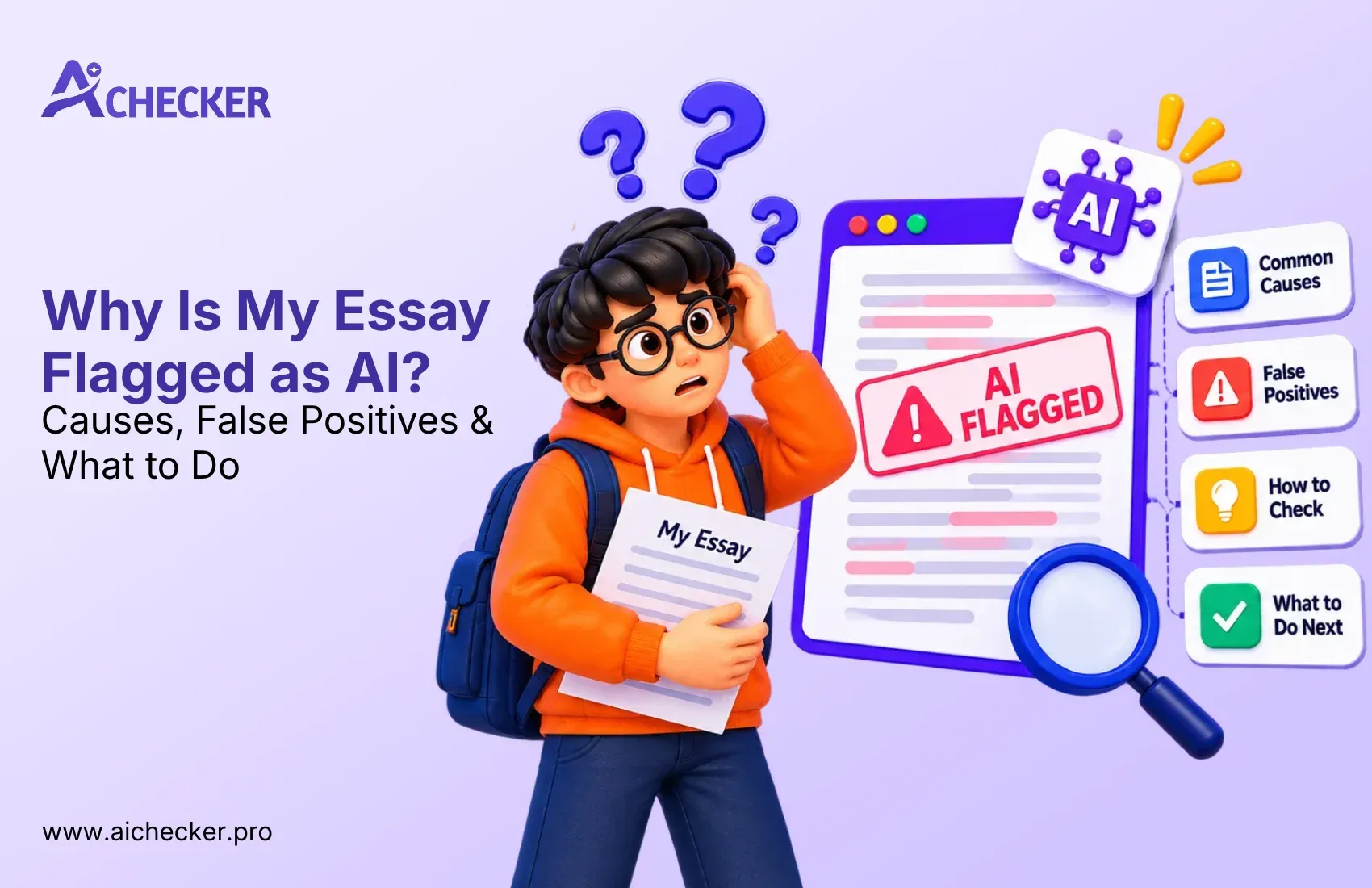
False positives constitute a great concern within the realm of AI detection. Research has revealed that the AI detectors tend to erroneously identify human-generated content as the work of a machine, particularly in the case of writing that is lucid, concise, and well-organized.
False negatives are no strangers either, as it happens with detection tools that have been termed ‘light’ when it comes to their performance in catching AI-written papers.
The current technology is not capable of keeping pace with the rapid development of AI. As the linguistic capabilities of the AI models are becoming more and more advanced and even more human-like, the detection process becomes more difficult.
False Positives: Human Writing Flagged as AI
A false positive occurs when an AI detection system wrongly classifies a human-written text as AI-generated. This represents one of the significant issues with AI detection systems.
Why False Positives Happen
AI detectors usually seek patterns rather than actual evidence. This is the reason that they can be puzzled when:
- The text is exceedingly lucid, polite, or perfectly arranged
- The writer employs basic sentences and flawless syntax
- A learner or candidate is not an English native speaker
- Material has been altered with grammar or spell-check utilities
- The subject matter is technical, scholarly, or monotonous.
Real-Life Impact of False Positives
Although they are not real, false positives can still create tremendous problems, particularly for students and job applicants. Detection systems like Copyleaks have been known to flag legitimate human writing, which can lead to:
- The students might be wrongly charged with cheating, which is very unfair to them.
- Their work may not be accepted or may get a lower grade.
- The applicants may have to go through the process of being disqualified without receiving any reason.
- The authors might be under pressure, feel discouraged, or doubt their trustworthiness.
False Negatives: AI content that goes undetected
A false negative arises when the AI-generated text is not recognized and is erroneously classified as human-written.
This demonstrates the flip side of the issue: AI detectors occasionally fail to detect genuine AI content.
Why False Negatives Happen
- The modern AI uses very natural and human-like writing styles so that AI content can easily go undetected. Tools like ZeroGPT sometimes struggle to identify sophisticated AI-generated content.
- The text can be modified or paraphrased before the verification step
- Analysis is more difficult for short or informal content
- The progress speed of AI models is higher than that of detection tools.
Examples of False Negatives
- Text and essays produced by AI have become so flawless that academic institutions are unable to spot them during checks.
- Recruiters are embracing AI-crafted resumes.
- Blog articles created by AI remain unnoticed
Why False Negatives Are a Problem
- Students may have an unfair advantage
- Employers might take the wrong impression concerning actual abilities
- Confidence in educational and recruitment systems is diminished
Best Practices for using AI Detectors fairly
Considering these restrictions, AI Detection tools should not be used at all or should be used very cautiously by schools and employers. Educational institutions using tools like Scribbr's AI detector should implement the following practices to ensure fairness:
Do not depend on AI detectors as the only proof. A detection score must not be the only reason for suspecting a person of AI use. These tools must only be used as a point of reference for further investigation, not as conclusive evidence.
Having very specific guidelines about when and how AI can be used helps reduce misunderstandings. Some cases of AI usage could be considered acceptable if disclosed beforehand, while others would not.
Make learning and skills the center of attention. They should create assignments that foster real learning, and using AI to the fullest extent becomes difficult. Employers should assess the actual skills candidates will need at the job.
Effective Alternatives to AI Detection Tools
Students and employers could definitely rely on detection only by AI tools,s and what is more, they could use fairer and more practical standards that are skills and understanding-oriented.
- Live assessments, interviews, draft reviews, and process-based evaluations can help to confirm real knowledge better than AI's guesswork.
- These methods create trust and minimize false accusations by judging how the work is done, not just the finished product's perfection.
- The use of tools like Bypass AI and AI checkers can also be beneficial if they are used in the right manner.
Bypass allows students to understand the subject and lay out their work. Bypass AI improves AI-assisted content to sound more natural and human, and AI checkers function best as support tools rather than final judges.
Such practices together support the ethical use of AI while ensuring that the evaluations remain fair and significant. Understanding Bypass AI detector capabilities can help educators and employers make more informed decisions about when detection tools are appropriate and when alternative evaluation methods should be prioritized.
The Future of AI Detection Technology
The future of AI detection technology is a puzzling and ever-evolving issue. With the development of AI writing tools, the output has become so human-like and natural that it becomes hard to distinguish between them.
Constantly, detectors will always be challenged to do so, and even in the distant future, the chance of achieving complete accuracy is quite slim.
Rather than acting as severe judges, the detection tool may eventually become a visioning system. The next generation could concentrate on offering writing suggestions, pinpointing AI-assistive parts, and attracting openness rather than directly labeling them as cases.
Conclusion
As we discussed, AI detection tools have become so easy, and our primary method to determine content is whether it is AI-written or human-intended. It may be necessary to identify the most useful cases that will not provide so many errors.
At the same time, some writers and professionals cause fairness issues.
Instead of using various AI tools, Bypass and AI checker will be the best tool for students as well as beginner professionals, which will be verified through more reliable means than algorithmic detection, which are prescribed in order.
FAQs
1. Are AI detection tools accurate enough to trust completely?
2. What is a false positive in AI detection, and why does it matter?
3. Can AI detectors identify content written by ChatGPT or other advanced AI models?
4. Why do non-native English speakers get flagged more often by AI detectors?
5. What are the main methods AI detection tools use to analyze text?
6. Should schools and employers rely on AI detection tools for important decisions?
7. What are better alternatives to AI detection tools for verifying authentic work?
8. Can someone bypass AI detection tools easily?
9. What should I do if I'm falsely accused of using AI based on detection tool results?
10. Will AI detection technology improve enough to become reliable in the future?

Nathan Porter
Content writer at @Aichecker
I am a content writer at AI Checker Pro, where I craft engaging, SEO-optimized content to enhance brand visibility and educate users about our AI-driven solutions. My role involves creating clear, impactful messaging across digital platforms to drive engagement and support company growth.Get Started Free
Create a free account for advanced AI detection and scan history.
Trusted by thousands worldwide.
Recent Blog's
Discover how AI-powered content creation can elevate your website's reach and engage your audience like never before. Explore the real impact of AI on crafting content that connects.