Top AI Content Checkers for Bloggers & SEO Writers
TABLE OF CONTENTS
What Are AI Detection Tools?
Why Schools and Employers Use AI Detectors
How AI Detection Tools Claim to Work
List of Top AI Content Checkers
Use Cases for Bloggers & SEO Writers
Key Limitations of AI Detection Technology
Best Practices for Fair Use of AI Detectors
Conclusion
FAQs
Get an AI summary of this post on:






The rise of ChatGPT and similar AI writing assistants has created a new challenge in classrooms and workplaces. Within months of these tools becoming widely available, teachers noticed unusual patterns in student essays, and hiring managers questioned whether job applicants were writing their own cover letters.
In response, various AI detection tools have emerged in the market, promising to identify AI-generated text with high accuracy.
Students have been falsely accused of cheating, and qualified job candidates have been unfairly rejected, all because of flawed technology that even its creators acknowledge isn't foolproof.
What Are AI Detection Tools?
AI detection tools are software programs that check the text and decide whether it is written by a human or generated by artificial intelligence. GPTZero, Turnitin's AI detector, Originality AI and some other tools that claim accuracy rates of 90% or more are the most popular ones.
An essay with a high score might be marked as "likely AI," whereas a low score points to human authorship. These tools have started to be used by a lot of educators and employers as gatekeepers, whose decisions are heavily influenced by the results.
The attraction is clear. Detectors provide a fast and unbiased way to enforce academic integrity and guarantee authenticity in hiring, in theory. The unfortunate side of this is that the situation is much more complex.
Why Schools and Employers Use AI Detectors
Mainly out of concern for the educational consequences, schools have turned to AI detection technologies. The alternative is that if the students use AI to write essays, they will lose the opportunity to establish critical thinking, research and development of their own voice skills.
Teachers are worried that, in case AI becomes widely accepted, the entire educational system will undoubtedly suffer a negative impact. To help educators make informed choices, comprehensive comparisons of the best AI detectors for teachers can guide them toward tools that balance accuracy with fairness.
At the same time, employers are also in such a position of having concerns. They want to make sure that the candidates they hire are actually able to perform what they have claimed in their resume during the interview.
In the same manner, this also goes with the AI-written cover letter or work sample that a candidate submits. The company's concern is that the employee will keep using AI to do the work for which he/she is being paid.
Still, the worries are quite justified. It is not a question of schools and employers not using these systems; rather, it is about them relying too much on an immature technology for making such pivotal decisions.
How AI Detection Tools Claim to Work
Most AI detectors act in a comparable way regarding their analysis by putting the writing characteristics that are supposed to distinguish human authors from machines at the forefront. Understanding how AI detectors analyze text reveals the complexity behind these systems. The main features considered are the variety of sentence structures, the sophistication of the vocabulary, the predictability of the word choices, and the overall writing patterns.
In a simple method, human writing is typically very varied, which means that sometimes there are mistakes, uncommon expressions, and the writer's personality is conveyed through their unique style.
The detectors utilize machine learning that has access to tremendous datasets of both human and AI-written text. When a text is submitted for analysis, the detector matches it with those patterns, and the probability score is output as the result.
It seems to be a rational process. But in truth, this is where the whole thing begins to deteriorate.
List of Top AI Content Checkers
Some of the best AI content checkers can help to easily detect and check the content, whether it is written with human intent or AI-written.
Bypass AI
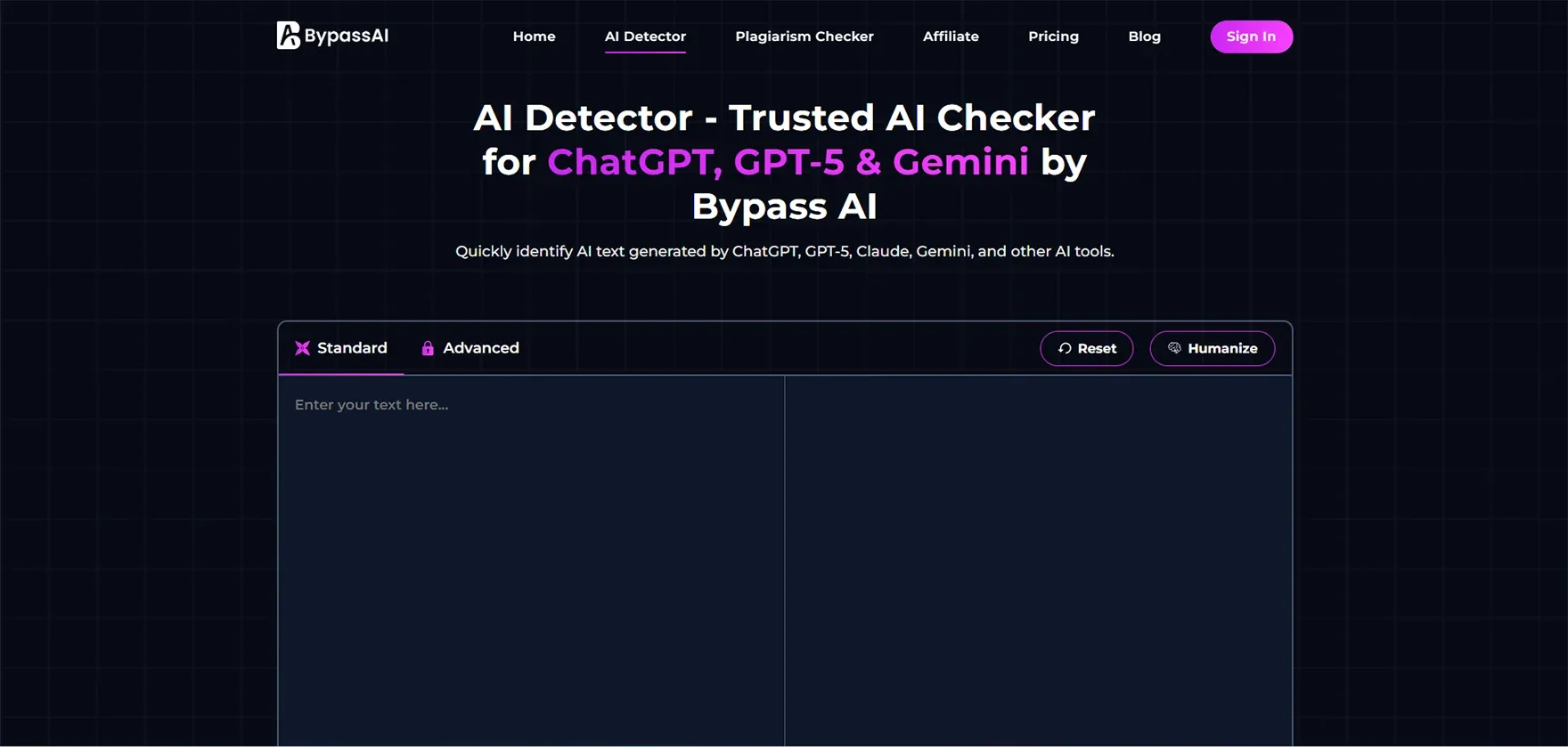 Bypass AI is recognized for its exceptional accuracy in detection and compatibility with bloggers' needs. It delivers simple AI probability scores, which are nice to interpret, in contrast to a great number of tools that present results that are not clear.
AI Checker pro
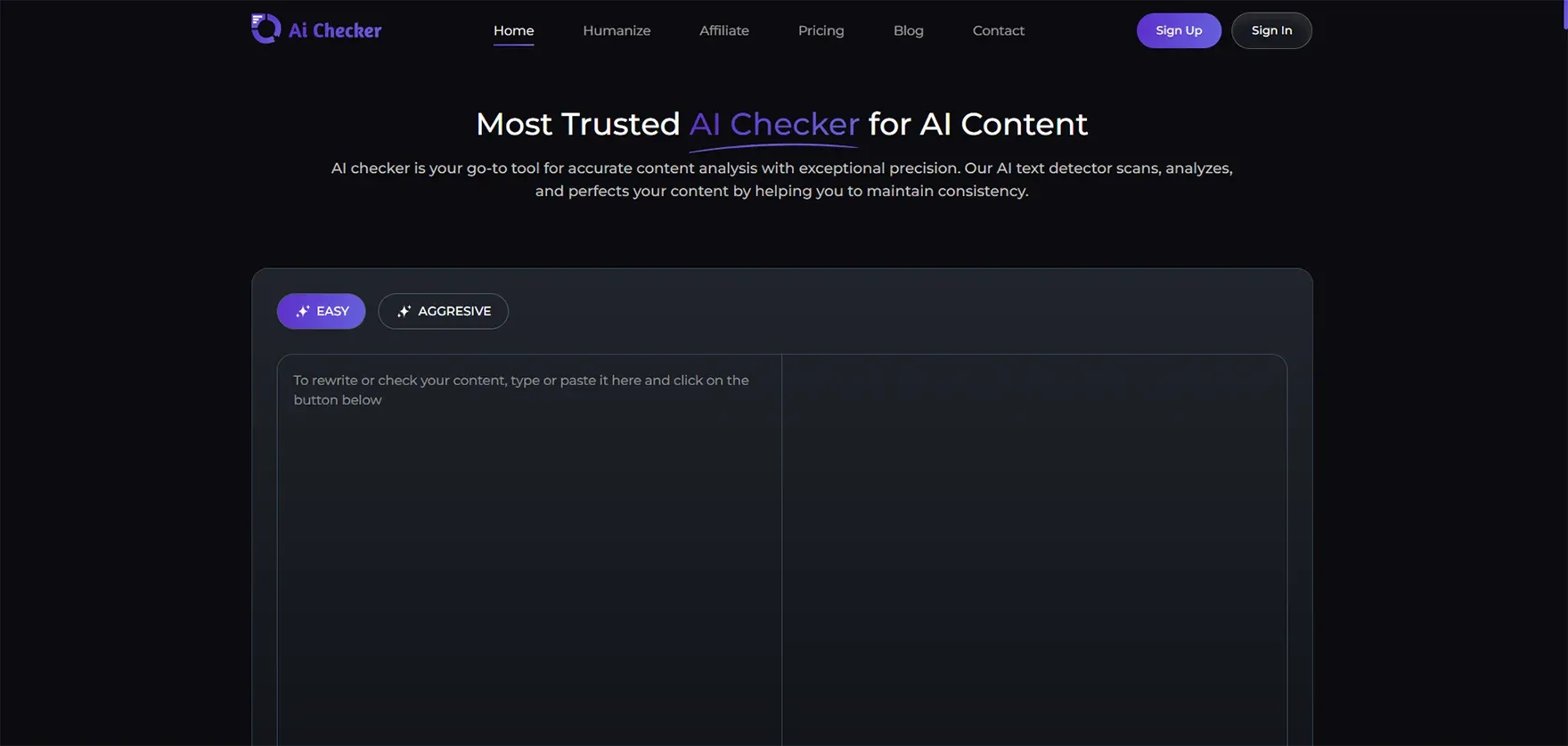 AI checker is a tool that has been adopted and is significantly used by agencies and large content teams. The tool is able to detect AI and plagiarism in one go. On the other hand, it mainly puts its advanced features under the paid subscriptions, which will not be a good option for individual bloggers or newbies.
AssignmentGPT
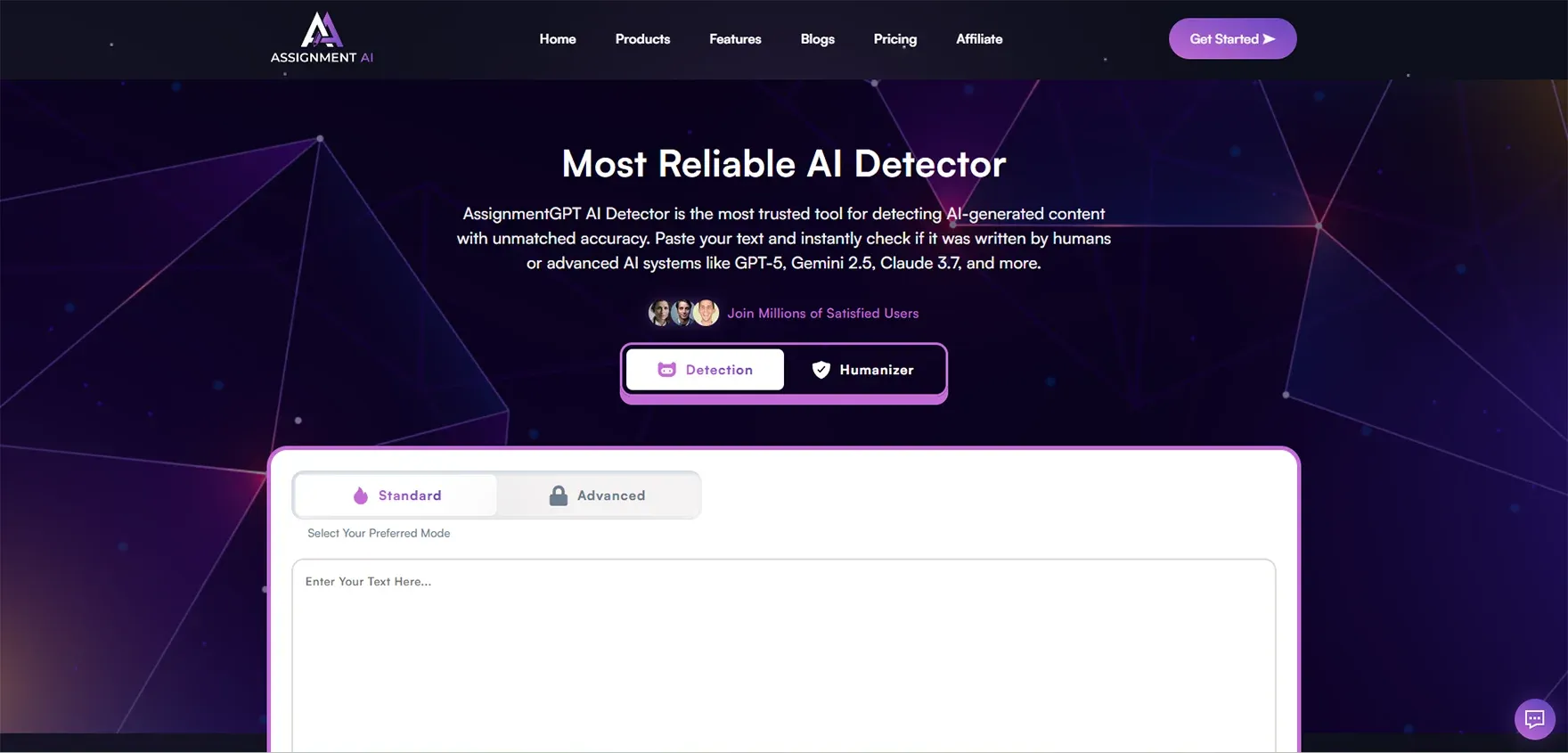 AssignmentGPT is a tool that is often utilized in educational institutions to identify texts written by AI. Its performance is passable when it comes to long texts; on the other hand, it might even classify misedited or optimized for search engines articles as AI-written ones. Consequently, its reliance on professional blogging is severely limited.
Copyleaks AI Detector
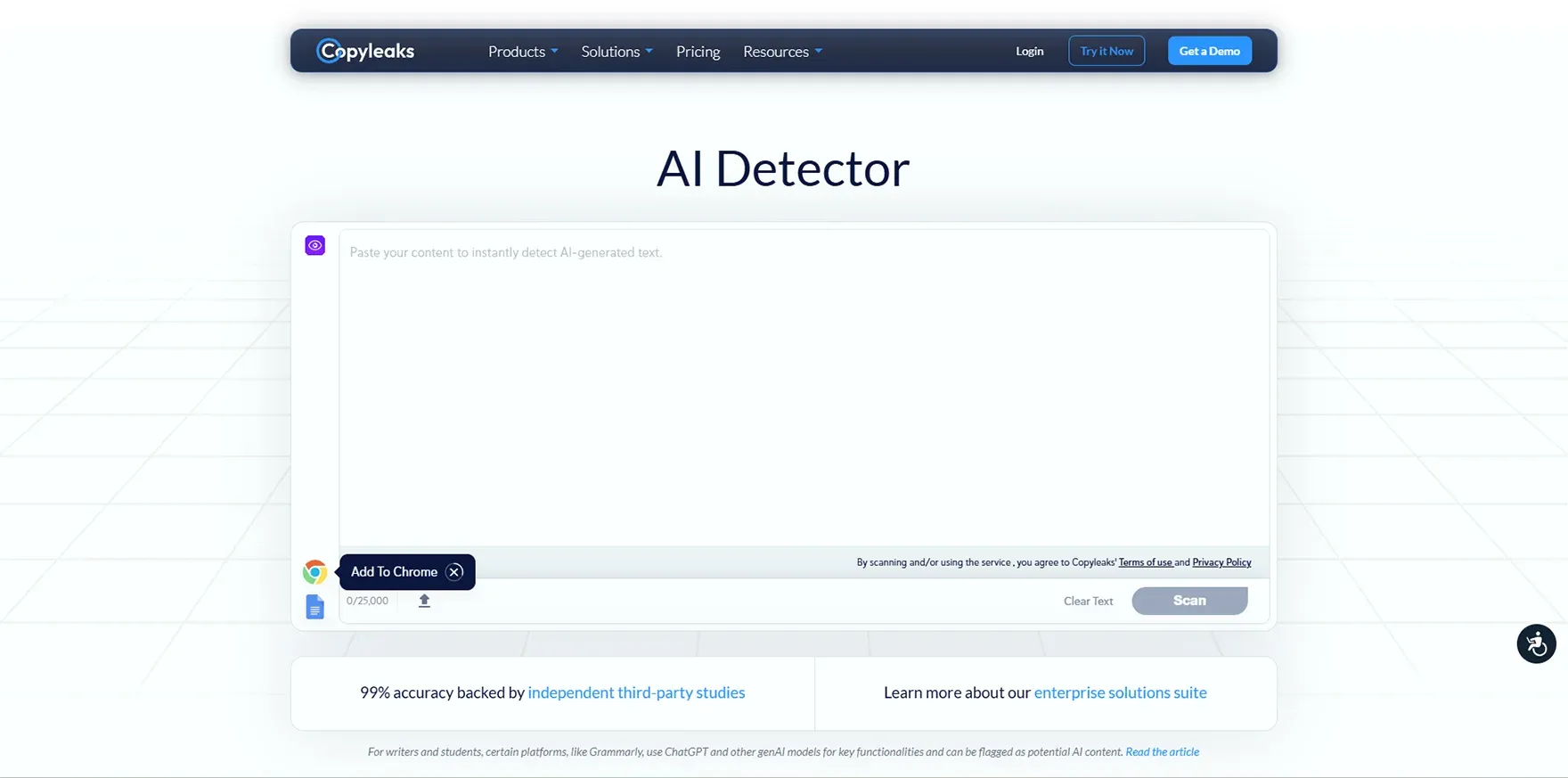 Copyleaks provides a combination of AI detection and plagiarism checking services, and it works in different languages. Although its interface might be intimidating for single bloggers who want to get fast results, it is more apt for companies and organizations.
GPTZero AI Content Detector
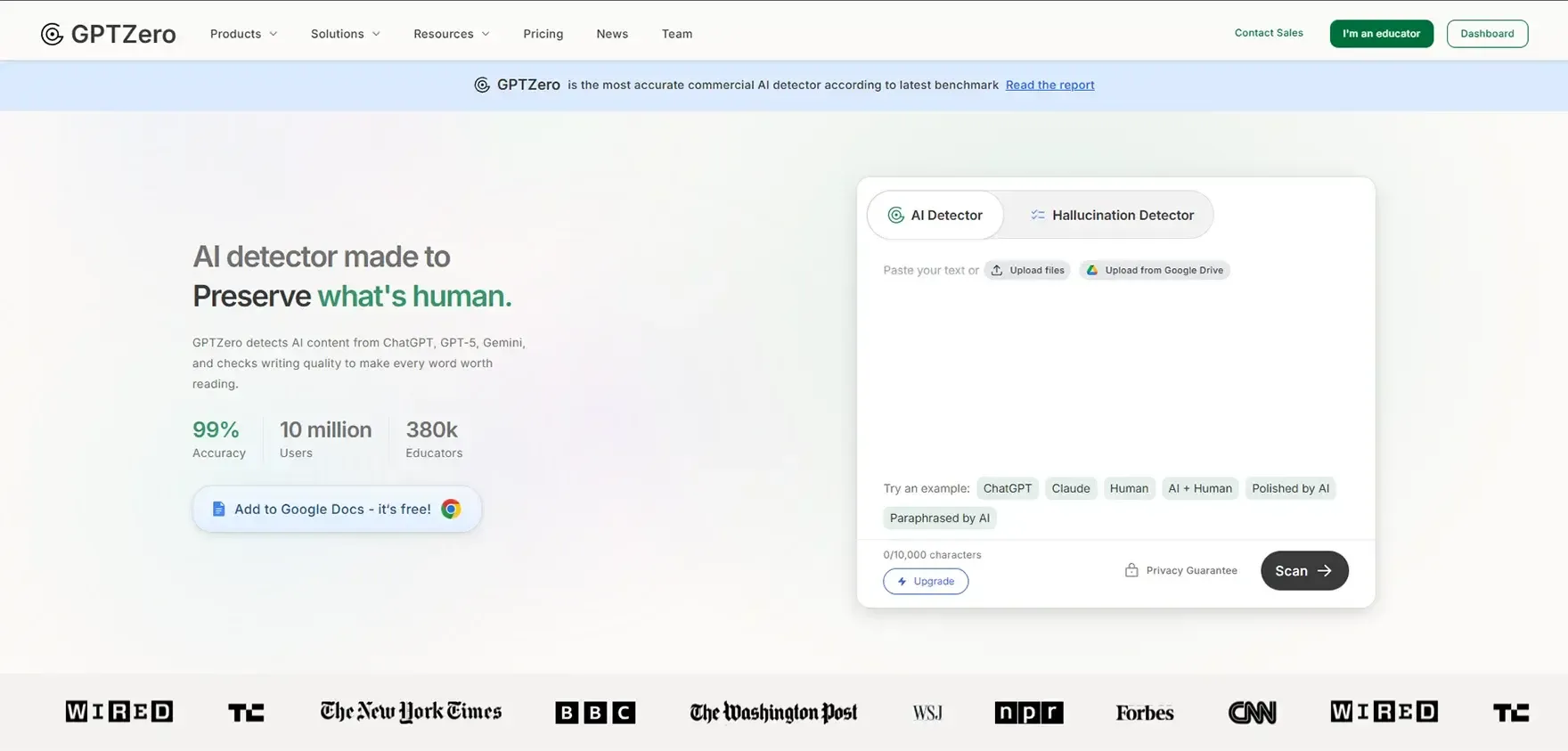 GPTZero can detect AI content which is written by ChatGPT, GPT-5. Gemini provides the best quality, which makes it meaningful and also provide seamless experience. However Blogger and copywriters use this tool for producing effective content.
Use Cases for Bloggers & SEO Writers
For different professions, you can use them for various purposes. Here I’ll describe various essential points to know how it becomes effective:
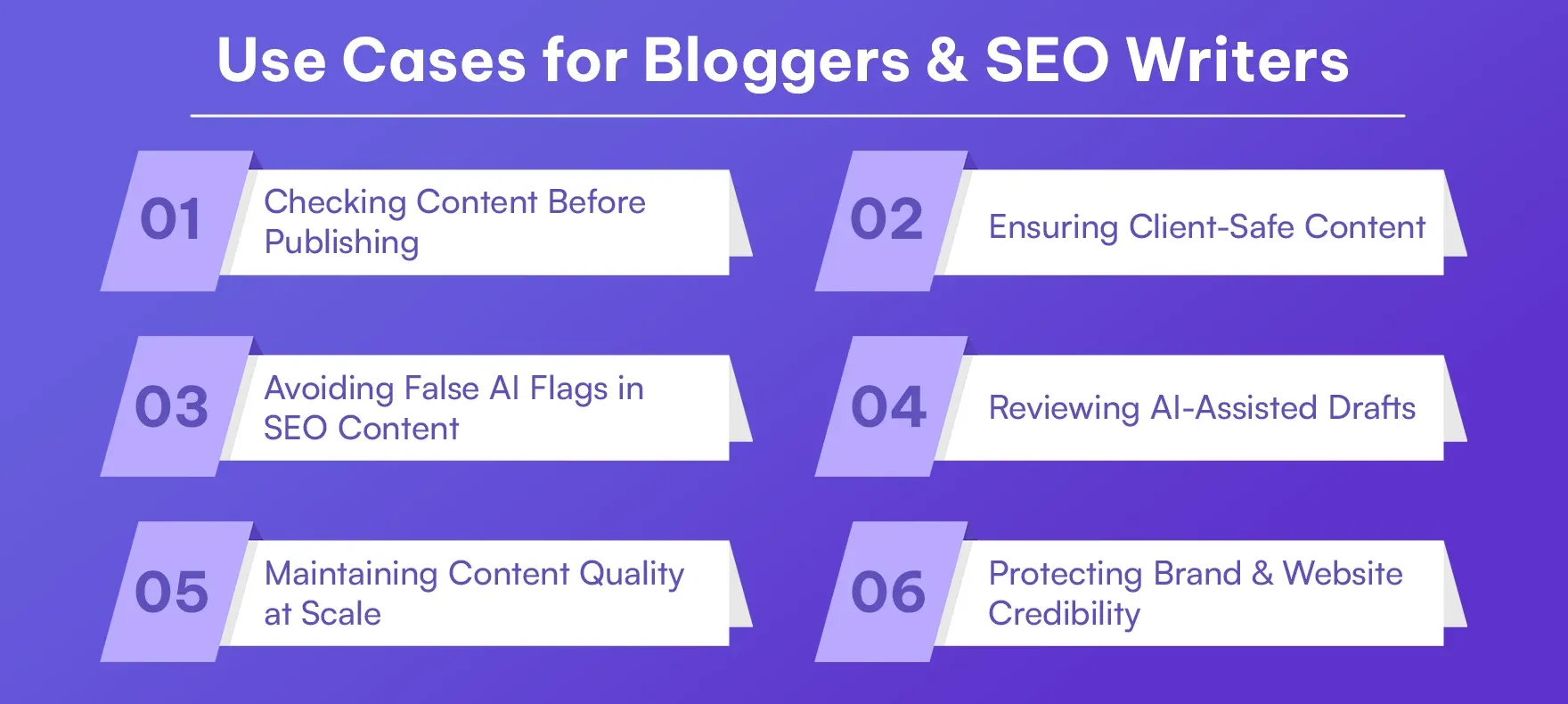
1. Checking Content Before Publishing
Writers utilizing AI for research or content creation devote much time and effort to checking and proofreading. An AI content validating tool ensures that the final draft looks like a human-written piece before it is published, thus minimizing the risk of the content being marked for review by the editors or platforms.
2. Ensuring Client-Safe Content
SEO writers who have clients need to produce content that is original and of high quality. AI checkers can validate the articles before submission and thus help the writers to keep their credibility and to not face revisions that are the result of problems with AI.
3. Avoiding False AI Flags in SEO Content
SEO writing, composed of structured headings, keywords, and repetitive phrases, is sometimes flagged by AI detectors. Trustworthy AI detectors are making it easy to spot problematic parts at the early stages, which gives the writers a chance to improve the content without altering its SEO ranking.
4. Reviewing AI-Assisted Drafts
A lot of bloggers have started employing AI instruments for generating outlines or even the first drafts. The use of AI content checkers has also increased, and they serve to assess the extent to which the text still seems to be AI-generated, thus making it easier to edit and humanize the content before final publishing. The process of humanizing AI content ensures that your work maintains authenticity and connects genuinely with readers while benefiting from AI's efficiency.
5. Maintaining Content Quality at Scale
Regularly publishing content is the norm for bloggers and agencies; therefore, AI detection tools will be of great assistance in maintaining a consistent level of quality across all articles. It will be the case that every post meets human-writing standards and,d at the same tim,e saves a lot of time during quality checks.
6. Protecting Brand & Website Credibility
It is a universally acknowledged fact that search engines and readers prioritize truthful and top-notch material. An AI content checker is a valuable tool for bloggers to safeguard their brand image by making sure that the released manuscripts are pleasant to read, reliable, and composed for actual users, not for machines.
Key Limitations of AI Detection Technology
Some of the key limitations that can help AI detect smoother which is easy to understand, have been briefly discussed:
False Positives Are Common
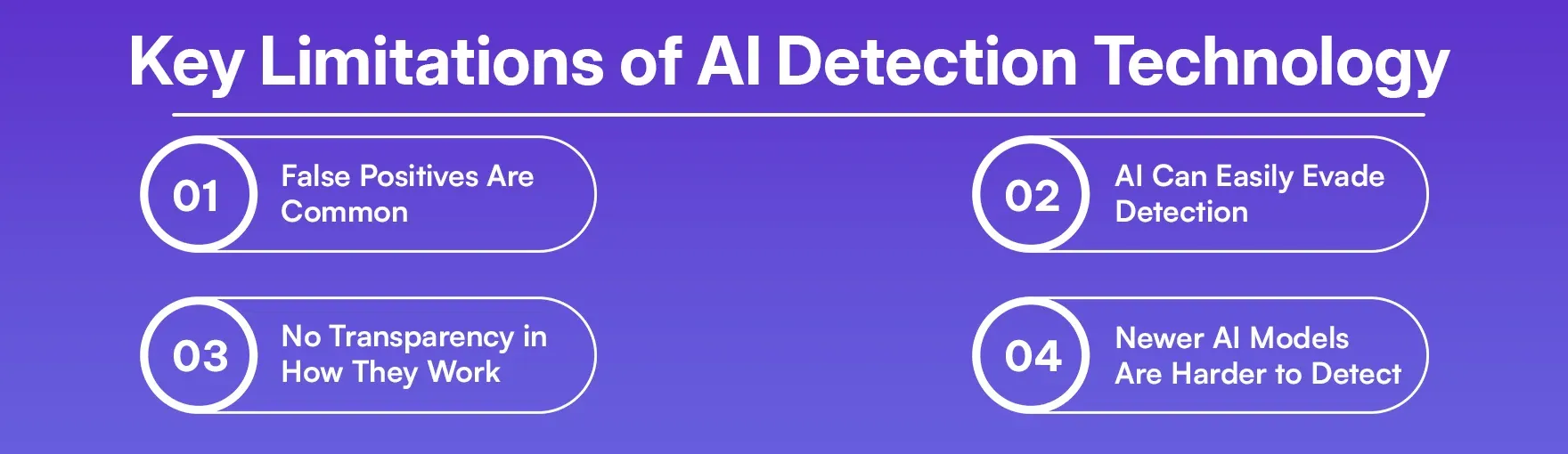
The main problem is that the majority of the time AI detectors not only detect but also misidentify human writing as AI-written. This misidentification is most prevalent among so-called 'lesser' students who stick to the rules of back and forth and use a plain writing style. The accuracy of AI detectors has been questioned by researchers who found significant rates of false accusations.
Students facing such situations may benefit from exploring AI checkers for students that are specifically designed with academic fairness in mind.
AI Can Easily Evade Detection
Another student gets wrongly accused by the system, while in reality, the one using AI will have no problem passing the check. Just a few tricks, like requesting the AI to "make it sound more casual", doing some manual editing, or using a paraphrasing tool, can make the AI output look like it is written by a human. Those interested in understanding these techniques can explore various strategies to avoid AI detection, though it's important to note that such knowledge also highlights the fundamental flaws in detection technology.
No Transparency in How They Work
The commercial AI detectors are not transparent and do not make their methods known, which consequently makes it impossible to practically question their results. When a student is accused based on a detector's score, he or she can neither see the evidence nor understand what specifically led to the flagging. This significantly undermines the fundamental principles of justice.
Newer AI Models Are Harder to Detect
The technological advancement of AI writing tools has led to the problem of detection being more and more complex. Every new AI model creates texts that are more natural and varied, and thus are better at imitating human writing styles.
Best Practices for Fair Use of AI Detectors
Given these limitations, how should schools and employers approach AI detection? Many institutions are still determining whether colleges actually use AI detectors and how to implement them fairly.
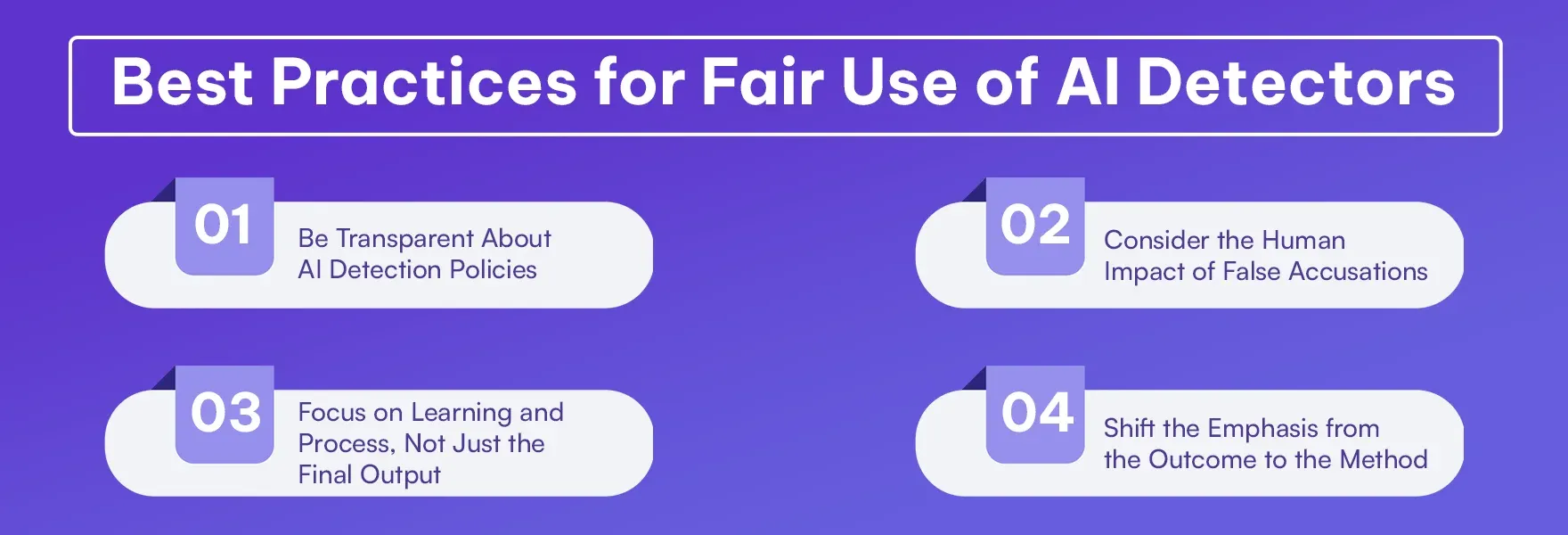
Be Transparent About AI Detection Policies AI detection tools should not be the only reason for a person being accused of using AI. The tools might point out places where human judgment could be applied, but it is always necessary. Evaluate the quality of the student's previous work including dialogues on their process, or ask them questions concerning their content.
Consider the Human Impact of False Accusations If you use AI detectors, notify students or applicants in advance. Describe the tools you are using and how the results will be interpreted. Allow people to argue their case regarding flagged content before making final decisions.
Focus on Learning and Process, Not Just the Final Output A false accusation of academic dishonesty can affect a student's academic record, mental health, and trust in the education system. These are not trivial consequences. Accusations of such a serious nature should be supported by strong evidence.
Shift the Emphasis from the Outcome to the Method Instead of catching AI use after the fact, create an assignment that diminishes the value of AI. Require rough drafts, insist that students communicate their work in person, or set up assignments based on specific class discussions or examples from the local setting that are AI-unknown.
Conclusion
AI content checkers have evolved to become one of the necessary tools in the areas of modern blogging and SEO writing. In the case of AI-supported writing, the tools help authors to be original, to preserve their reputation, and to comply with the requirements of the client or the platform.
For writers and bloggers, the ideal AI content checker is the one that provides the right mix of accuracy, ease of use, and practical insights. Instead of depending on just one score, clever writers incorporate the use of these tools as guidance, not as a final decision.
FAQs
1. What is an AI detection tool?
2. Are AI detectors always accurate?
3. Why do teachers and employers use AI detectors?
4. Can AI writing easily trick detection tools?
5. What is a false positive in AI detection?
6. Which AI detector is best for bloggers?
7. Do AI detectors work on all languages?
8. Can I get in trouble if an AI detector flags my human-written work?
9. Should I use AI checkers before submitting my blog posts?
10. Will AI detection get better in the future?

Nathan Porter
Content writer at @Aichecker
I am a content writer at AI Checker Pro, where I craft engaging, SEO-optimized content to enhance brand visibility and educate users about our AI-driven solutions. My role involves creating clear, impactful messaging across digital platforms to drive engagement and support company growth.Get Started Free
Create a free account for advanced AI detection and scan history.
Trusted by thousands worldwide.
Recent Blog's
Discover how AI-powered content creation can elevate your website's reach and engage your audience like never before. Explore the real impact of AI on crafting content that connects.