The Role of AI Detectors in Protecting Academic Integrity
TABLE OF CONTENTS
Quick Summary
What is Academic Integrity and Why is it Important?
Academic Integrity in the Age of AI Writing
Understanding False Positives in Our AI Writing Detection Capabilities
Encouraging Academic Integrity
Conclusion
FAQs
Get an AI summary of this post on:





Academic integrity is a central tenet of education; it is fundamental for every student to uphold ethical standards in their work. With the use of AI tools steadily rising, concerns about AI-generated content eating into academic honesty and integrity are becoming more pronounced. This is where the AI detectors come in handy as far as the upholding of academic integrity is concerned. They are tools meant to help detect AI-generated text, thus helping in curbing academic misdetection.
Quick Summary
AI detectors are vital to a teacher in terms of upholding academic integrity through the detection of AI-generated content. As writing tools utilize AI to perfection, balance must be struck between technology and trust on fair and ethical Education. That is, tackling issues of false positives, understanding academic integrity, and finding ways to encourage ethical teaching practices are crucial in establishing genuine academics.
What is Academic Integrity and Why is it Important?
Academic integrity refers to the dedication to honesty, fairness, and accountability in all academic endeavors. It requires students and researchers to produce original work, appropriately acknowledge their sources, and adhere to ethical learning practices. Academic dishonesty not only undermines the credibility of educational institutions but prevents students from acquiring valuable life skills. Integrity in academic endeavors is vital to the development of character and growth, both personally and professionally.
Academic Integrity in the Age of AI Writing
When it comes to producing content, AI writing tools such as ChatGPT and other text generators have made it easier for learners. When used appropriately, these tools may enhance learning but also present difficulties in academic dishonesty. AI detection tools help educators with the identification of AI-generated content, and therefore most assist them by holding students accountable for their work and creating conditions for developing critical thinking skills. It requires understanding and responsible uses of AI to uphold academic integrity in today's world of digital technologies.
Understanding False Positives in Our AI Writing Detection Capabilities
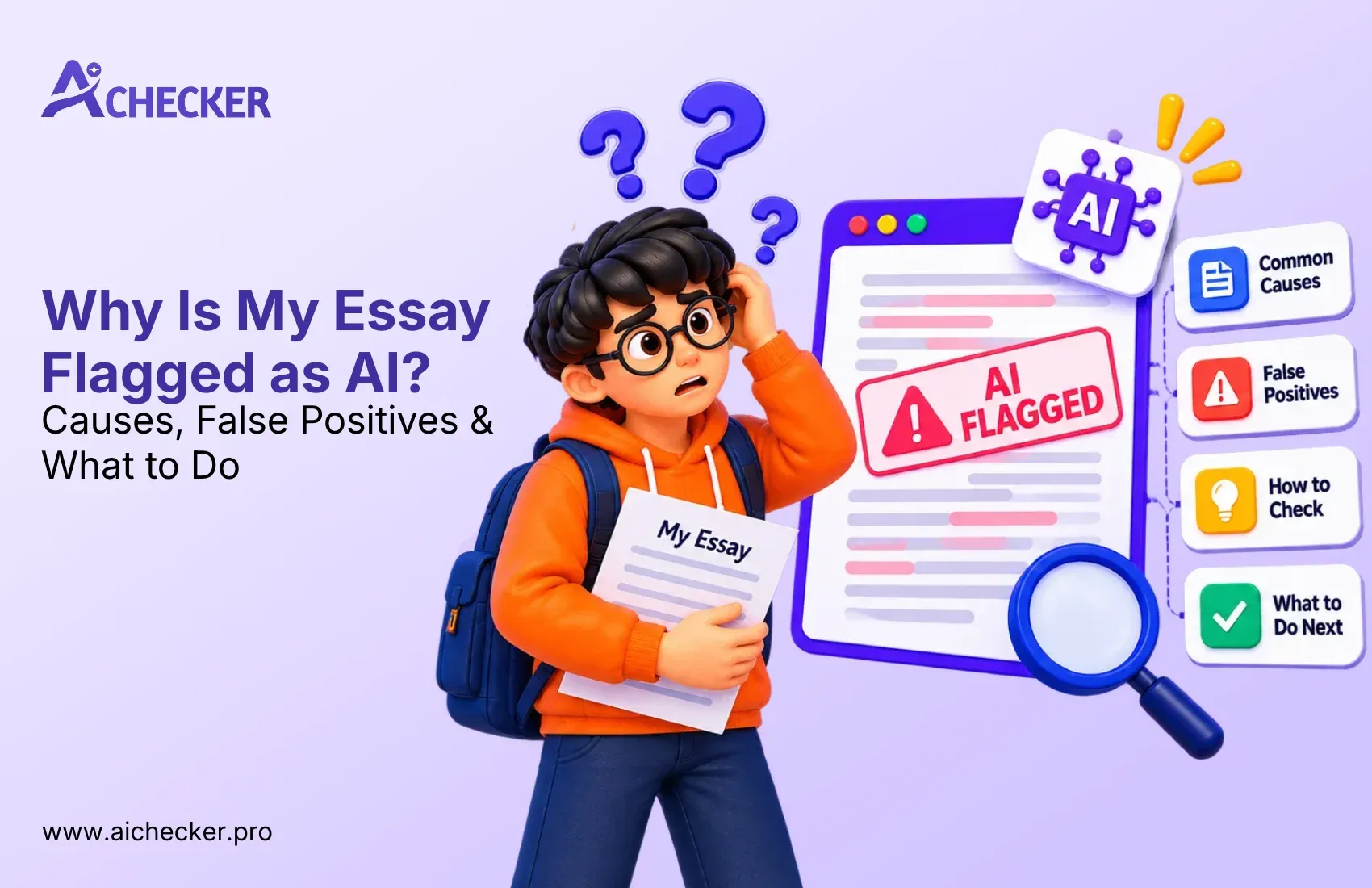
AI detectors are not perfect; they often produce false positives, in which human-written content is incorrectly labeled AI-generated. These situations could present real stressors, with potentially grave consequences for both students and teachers. To adequately negotiate such hurdles, the following comprises some helpful recommendations:
Top Three Tips for Dealing with False Positives
Reduce false positive by highly advanced AI Detector tools & knowing their limits. Always check results by yourself to ensure they are correct.
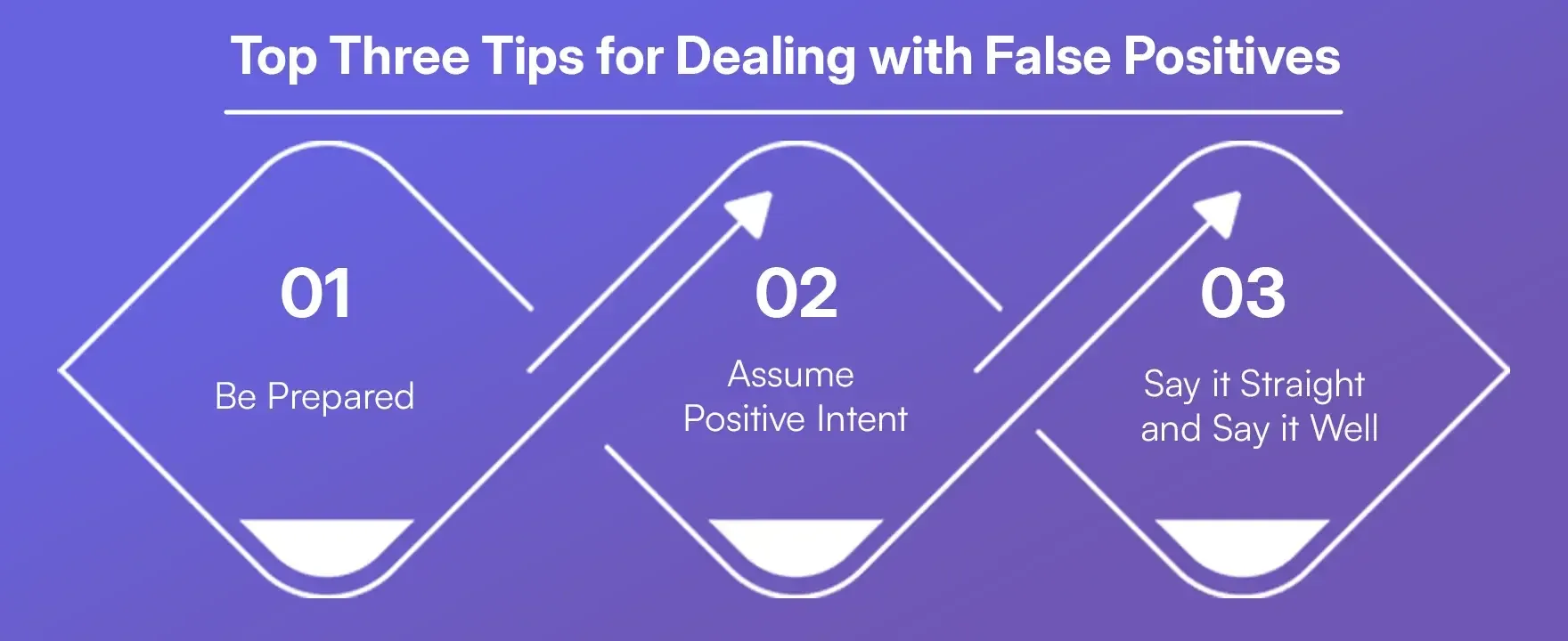
1. Be Prepared
Before taking action, educators need to know how AI detectors operate. Becoming familiar with the weaknesses of such tools should help them avoid misinterpretation and ensure a fair evaluation process.
2. Assume Positive Intent
Accusations of AI generation should be treated with an open mind where the student is concerned. Engage in a constructive conversation about it rather than leaping to conclusions about misconduct.
3. Say it Straight and Say it Well
Transparency is very important for all students in presenting the results of AI detection. Providing an accurate explanation and supporting evidence along with invitations for student feedback develops an environment of trust and accountability.
Also Read Our Other Blog - How AI is Shaping Content Detection in Education
Encouraging Academic Integrity
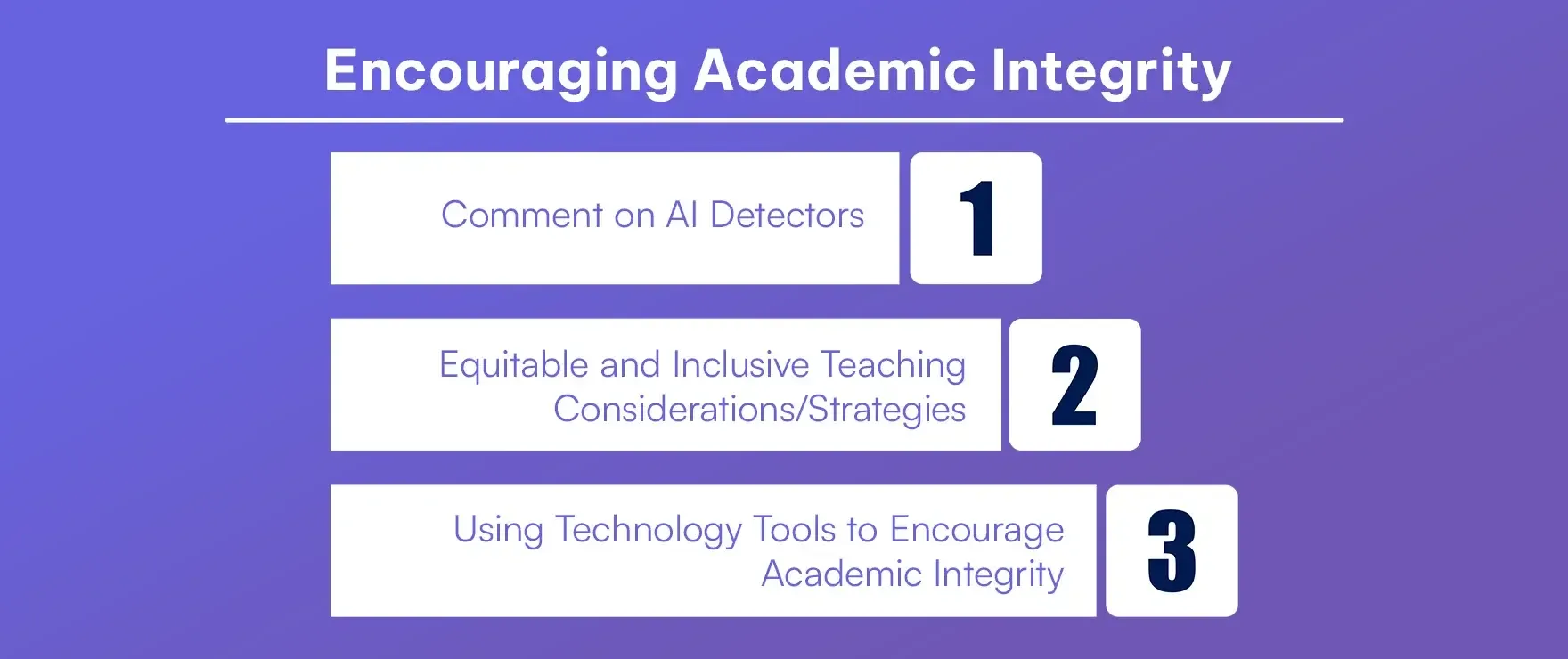
1. Comment on AI Detectors
Due to the insistence on integrity in higher learning spaces, AI detectors are instrumental in making sure students submit work that is authentically theirs, but they can help with honesty in cheating. They can be invaluable in this regard if they buttress effective teachers rather than replace them.
2. Equitable and Inclusive Teaching Considerations/Strategies
To promote fairness, educators should :
- Set clear guidelines on AI tool usage.
- Encourage critical thinking and originality.
- Foster discussions on ethical AI use.
- Adapt analysis to focus on reasoning rather than AI-generated responses.
3. Using Technology Tools to Encourage Academic Integrity
In addition to AI detectors, various technologies like plagiarism checkers and learning management systems play a crucial role in upholding academic integrity. Tools such as AI Checker help ensure that students submit original work, while also promoting ethical learning practices.
What steps should you take if you think a student may have violated academic integrity by using AI?
1. Gather Evidence:
Utilize AI detection tools such as AI Checker to validate your concerns.
2. Communicate with the Student:
Engage in a conversation with the student about the findings and give them a chance to clarify.
3. Follow Institutional Policies:
Consult your institution’s academic integrity guidelines to determine the right steps to take.
4. Educate on Ethical AI Use:
Offer advice on how to use AI responsibly instead of imposing a complete ban.
Conclusion
By using AI Checker, educational institutions can uphold academic honesty and integrity, ensuring that students commit to the principles of academic integrity and responsible learning. AI detectors play a crucial role in maintaining academic integrity in our digital age. While AI-generated content presents specific challenges, educators can tackle these by promoting awareness, establishing fair evaluation methods, and embracing ethical teaching practices. By using AI detectors wisely and encouraging ethical AI practices, both educators and students can maintain academic integrity in the changing digital environment.
FAQs
1. How do AI detectors function?
2. Can AI detectors be inaccurate?
3. Are AI writing tools entirely prohibited in academic settings?
4. What is AI Checker?
5. How can students ensure their work isn't marked as AI-generated?

Megan Harris
Content writer at @Aichecker
I am a content writer at AI Checker, where I craft engaging, SEO-optimized content to enhance brand visibility and educate users about our AI-driven solutions. My role involves creating clear, impactful messaging across digital platforms to drive engagement and support company growth.Get Started Free
Create a free account for advanced AI detection and scan history.
Trusted by thousands worldwide.
Recent Blog's
Discover how AI-powered content creation can elevate your website's reach and engage your audience like never before. Explore the real impact of AI on crafting content that connects.